

Essential Oils | History, Science, and Skin Benefits
February 4, 2026

Written by Len Suzuki-Layhe
I’ve spent close to 30 years living with multiple skin conditions, which has shaped a deep personal interest in skin health and skincare ingredients. My writing draws on lived experience and ongoing research, with a focus on thoughtful, long-term care rather than quick fixes.
P.S. This content is based on personal experience and research and is not intended as medical advice.
Essential oils have been the backbone of natural skincare for thousands of years – not because of trends, but because their active compounds deliver measurable benefits. From anti-inflammatory terpenes to antioxidant phenols, these concentrated extracts continue to play a pivotal role in calming, balancing, and rejuvenating the skin.
How are they produced? Produced by extracting a plant’s most volatile, aromatic compounds through steam distillation or cold pressing, resulting in a highly concentrated form of its active molecules. Because this process isolates the most potent elements of the plant, only a small amount is needed to deliver noticeable therapeutic and skincare benefits.
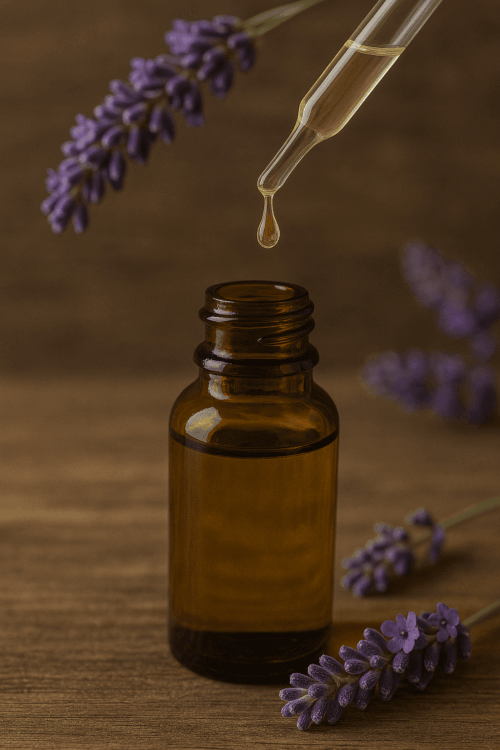
Lavender Essential Oil
Botanical Name: Lavandula angustifolia
Key Compounds: Linalool, linalyl acetate, camphor, 1,8-cineole
Origin: Mediterranean
History & Traditional Uses
Lavender’s documented use spans ancient Egypt, classical Rome, medieval Europe, and Victorian Britain — a testament to its cross-cultural value. Egyptians used lavender oil in embalming rituals and perfumery, believing its aroma purified the body and spirit. Romans elevated it to a daily luxury, adding lavender to public baths, massage ointments, and healing balms; it was so prized that its price rivalled that of a week’s wages. In medieval households, lavender was stuffed into pillows and garments to repel disease and bring calm sleep. Herbalists prescribed lavender washes for burns, wounds, and emotional disturbances. By the 19th century, British physicians were using lavender tinctures in early antiseptic medicine. Its long-standing association with purification, healing, and emotional stability has made lavender one of the most trusted botanical extracts in human history.
Skin & Health Benefits
- Reduces redness, irritation, and inflammation through anti-inflammatory action.
- Helps restore compromised barriers by calming micro-tears and dryness.
- Supports collagen regeneration by stimulating fibroblast activity.
- Antimicrobial effects help reduce acne-causing bacteria and prevent future breakouts.
- Eases eczema, dermatitis, and reactive skin triggered by stress or environment.
- Promotes faster wound healing (burns, cuts, abrasions).
- Aromatherapeutic calming reduces anxiety, improving sleep and skin recovery cycles.
- Helps regulate stress-induced skin issues such as flare-ups and hormonal breakouts.
Why It Works
- Linalool: Suppresses inflammatory cytokines and soothes nerve endings.
- Linalyl acetate: Moderates stress responses in both skin and nervous system.
- Camphor content: Enhances microcirculation and tissue oxygenation.
- Antimicrobial synergy: Disrupts bacterial membranes to reduce bacterial load.
- Neuro-calming effects: Lowers cortisol, indirectly reducing inflammation and sensitivity.
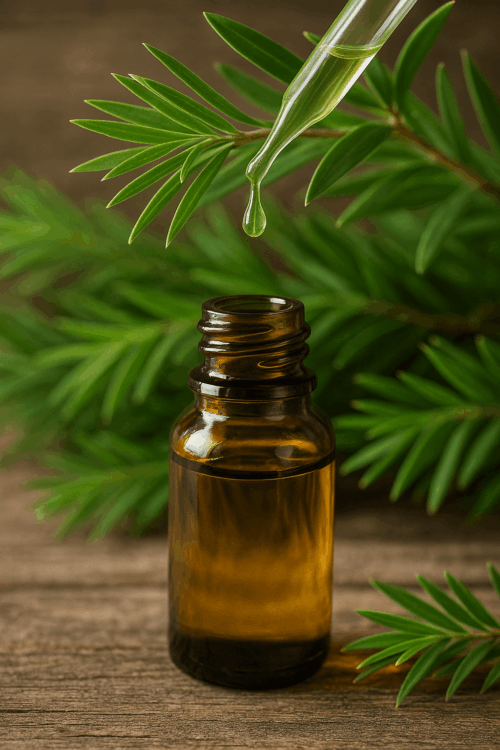
Tea Tree Essential Oil
Botanical Name: Melaleuca alternifolia
Key Compounds: Terpinen-4-ol, α-terpineol, γ-terpinene
Origin: Australia
History & Traditional Uses
Tea tree oil is rooted in thousands of years of Aboriginal medicine. Indigenous Australians crushed its leaves to apply directly to cuts, infections, and skin irritations, and used inhalation therapy from steamed leaves to clear respiratory blockages. During World War II, the Australian army issued tea tree oil in first-aid kits because of its superior antiseptic performance compared to early synthetics. The 20th century saw a surge of scientific interest as chemists isolated terpinen-4-ol — the core antimicrobial compound. Since then, tea tree oil has become a global standard in dermatology and cosmetic formulations for congestion, acne, fungus, and microbial imbalance.
Skin & Health Benefits
- Reduces acne-causing bacteria (C. acnes) at the root level.
- Helps prevent clogged pores by reducing oxidised sebum.
- Calms inflamed breakouts, decreasing redness and swelling.
- Supports fungal conditions (fungal acne, scalp irritation, athlete’s foot).
- Reduces odour-causing bacteria, beneficial for underarms and feet.
- Helps prevent post-inflammatory hyperpigmentation by controlling inflammation.
- Regulates oil production for more balanced skin over time.
- Provides targeted antimicrobial action without typical dryness from synthetic agents.
Why It Works
- Terpinen-4-ol: Penetrates oils and disrupts bacterial membranes.
- α-Terpineol: Adds antifungal and antibacterial reinforcement.
- Anti-inflammatory activity: Reduces TNF-α and cytokine signalling.
- Lipid solubility: Allows deep pore penetration for clearing congestion.
Broad-spectrum antimicrobial action: Targets bacteria, fungi, and yeasts.
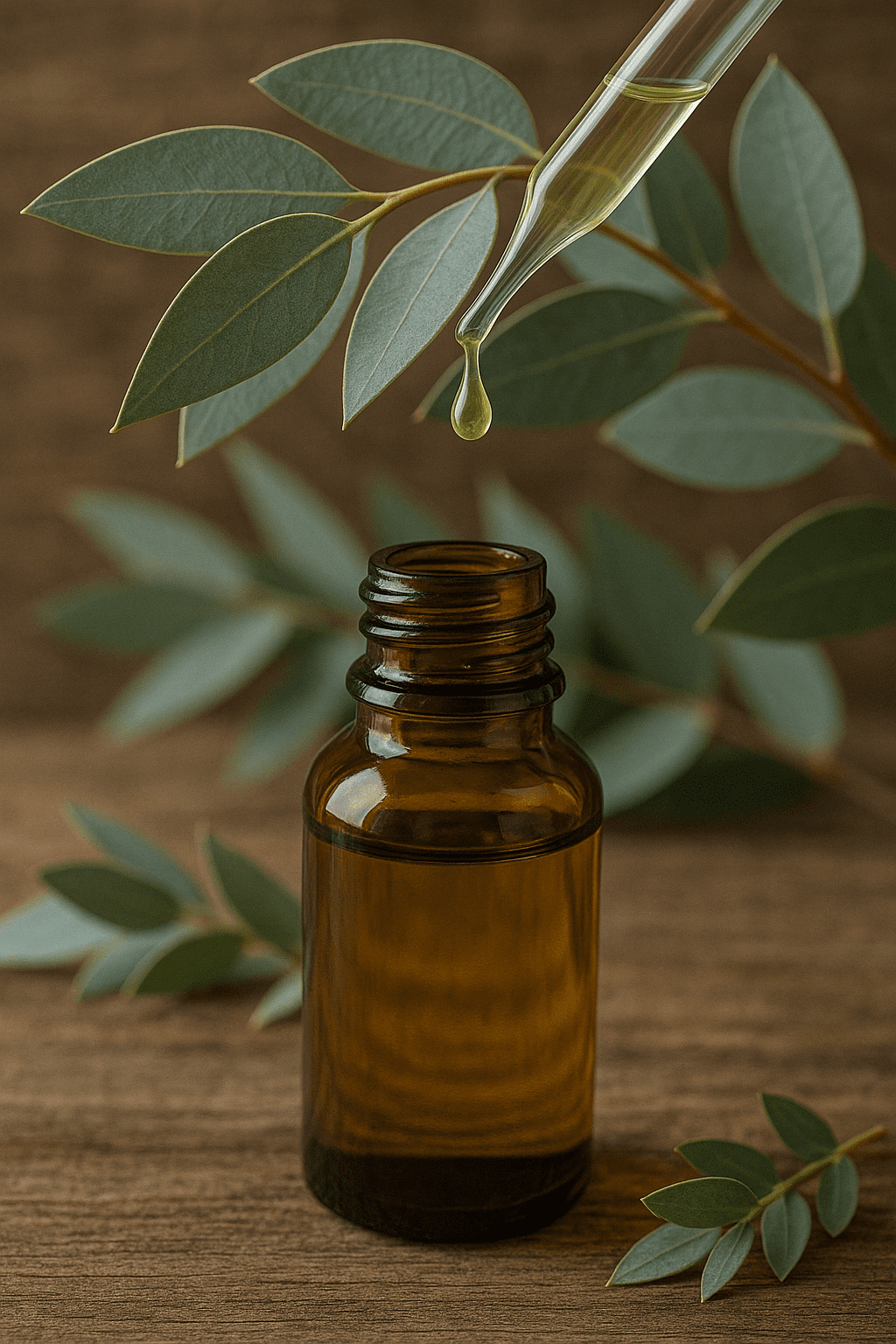
Eucalyptus Essential Oil
Botanical Name: Eucalyptus globulus
Key Compounds: Eucalyptol (1,8-cineole), limonene, α-pinene
Origin: Australia
History & Traditional Uses
Eucalyptus is an iconic part of Indigenous Australian healing systems, where its leaves were used in poultices for wounds, fevers, and infections. Settlers quickly recognised its medicinal value, using eucalyptus steam to treat congestion and eucalyptus-infused oils to disinfect wounds. By the 19th century, the global pharmaceutical industry began cultivating eucalyptus plantations to meet rising demand for eucalyptol, now a cornerstone compound in cold remedies, balms, inhalants, and antiseptics worldwide. Its association with cleansing, respiratory rejuvenation, and purification continues today.
Skin & Health Benefits
- Clears clogged pores by dissolving excess oil and impurities.
- Helps reduce acne-causing bacteria on the skin surface.
- Provides a refreshing, cooling sensation that calms inflammation and irritation.
- Eases itchiness and supports healing for small cuts, bug bites, and abrasions.
- Improves superficial circulation, giving skin a brighter, energised look.
- Inhalation supports respiratory health and reduces fatigue.
- Offers antioxidant protection against environmental stress.
- Helps rebalance skin exposed to pollution and humidity.
Why It Works
- Eucalyptol: Breaks down bacterial biofilms and acts as a natural antiseptic.
- Limonene: Offers antioxidant defence and improves ingredient penetration.
- α-Pinene: Supports anti-inflammatory and antimicrobial effects.
- Vasodilatory effect: Increases blood flow, delivering oxygen and nutrients to skin cells.
- Cooling properties: Reduce nerve sensitivity and irritation.
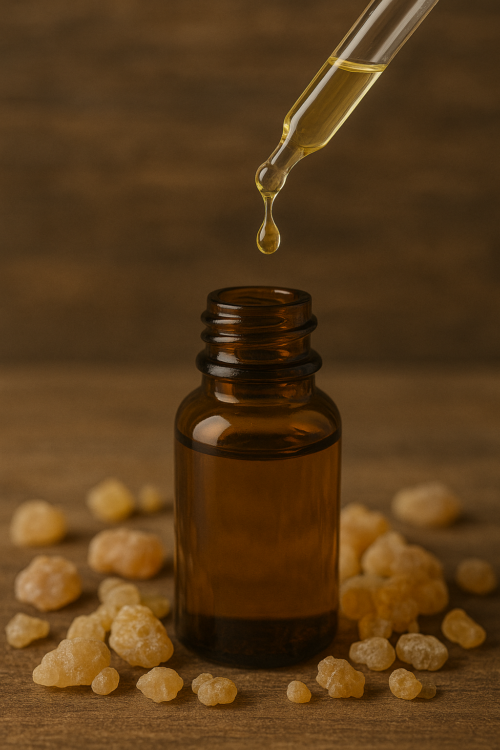
Frankincense Essential Oil
Botanical Name: Boswellia sacra / Boswellia carterii
Key Compounds: Boswellic acids, α-pinene, incensole acetate
Origin: Middle East & North Africa
History & Traditional Uses
Frankincense’s legacy spans ancient Egypt, Mesopotamia, Persia, and biblical traditions. Used in sacred ceremonies, spiritual purification, and medicinal salves, frankincense resin was once more valuable than gold. Egyptians burned it in temples and used the resin in anti-aging skin creams. Greek physicians recorded its use for wounds, inflammation, and respiratory ailments. Throughout Arabia and East Africa, it played a central role in daily rituals, believed to protect the body, purify spaces, and strengthen emotional resilience. Its deep spiritual and medicinal roots make it a timeless botanical powerhouse.
Skin & Health Benefits
- Reduces fine lines, wrinkles, and visible signs of aging.
- Supports collagen production and improves skin elasticity.
- Calms inflammation and soothes stressed or irritated skin.
- Helps fade scars, pigmentation, and uneven texture.
- Regulates oil production, adapting to both dry and oily skin types.
- Provides grounding aromatherapeutic effects, lowering stress.
- Supports wound repair and cellular regeneration.
- Helps maintain an even, refined complexion.
Why It Works
- Boswellic acids: Block inflammatory enzymes and support collagen maintenance.
- α-Pinene: Antimicrobial and anti-inflammatory; enhances skin permeability.
- Incensole acetate: Interacts with neuroreceptors to induce calm and reduce stress.
- Resin compounds: Enhance tissue regeneration and skin firmness.
- Balancing effect: Regulates sebum and supports long-term skin clarity.
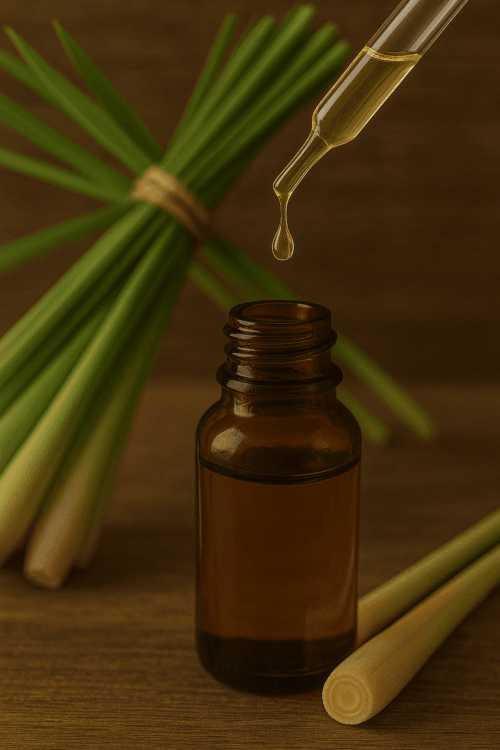
Lemongrass Essential Oil
Botanical Name: Cymbopogon citratus
Key Compounds: Citral (neral + geranial), limonene, β-myrcene
Origin: Southeast Asia
History & Traditional Uses
Lemongrass is a staple of Ayurvedic medicine and Southeast Asian wellness, traditionally used to reduce fever, cleanse the body, and uplift the mood. Herbalists brewed lemongrass teas to aid digestion and detoxification, and healers applied crushed stalks to sore muscles and inflamed skin. As trade expanded, lemongrass became a sought-after ingredient in perfumery and soap-making due to its clean, citrus profile. Its multifunctional nature — culinary, medicinal, aromatic — made it a household essential across Asia long before global aromatherapy embraced it.
Skin & Health Benefits
- Tightens pores and naturally tones the skin.
- Regulates oil production for clearer, balanced complexion.
- Reduces acne-causing bacteria and minimises breakouts.
- Helps soothe puffiness, inflammation, and irritation.
- Provides antioxidant defence against environmental stress.
- Leaves skin feeling refreshed, energised, and revitalised.
- When consumed as tea, supports digestion and detox pathways that impact skin clarity.
- Helps reduce muscle tension and fatigue, indirectly boosting skin recovery.
Why It Works
- Citral: Provides strong antimicrobial and astringent effects.
- Limonene: Delivers antioxidant support and enhances skin penetration.
- β-Myrcene: Offers calming, anti-inflammatory benefits.
- Natural toning action: Tightens skin and balances sebum.
- Synergistic citrus molecules: Promote detoxification and skin renewal.
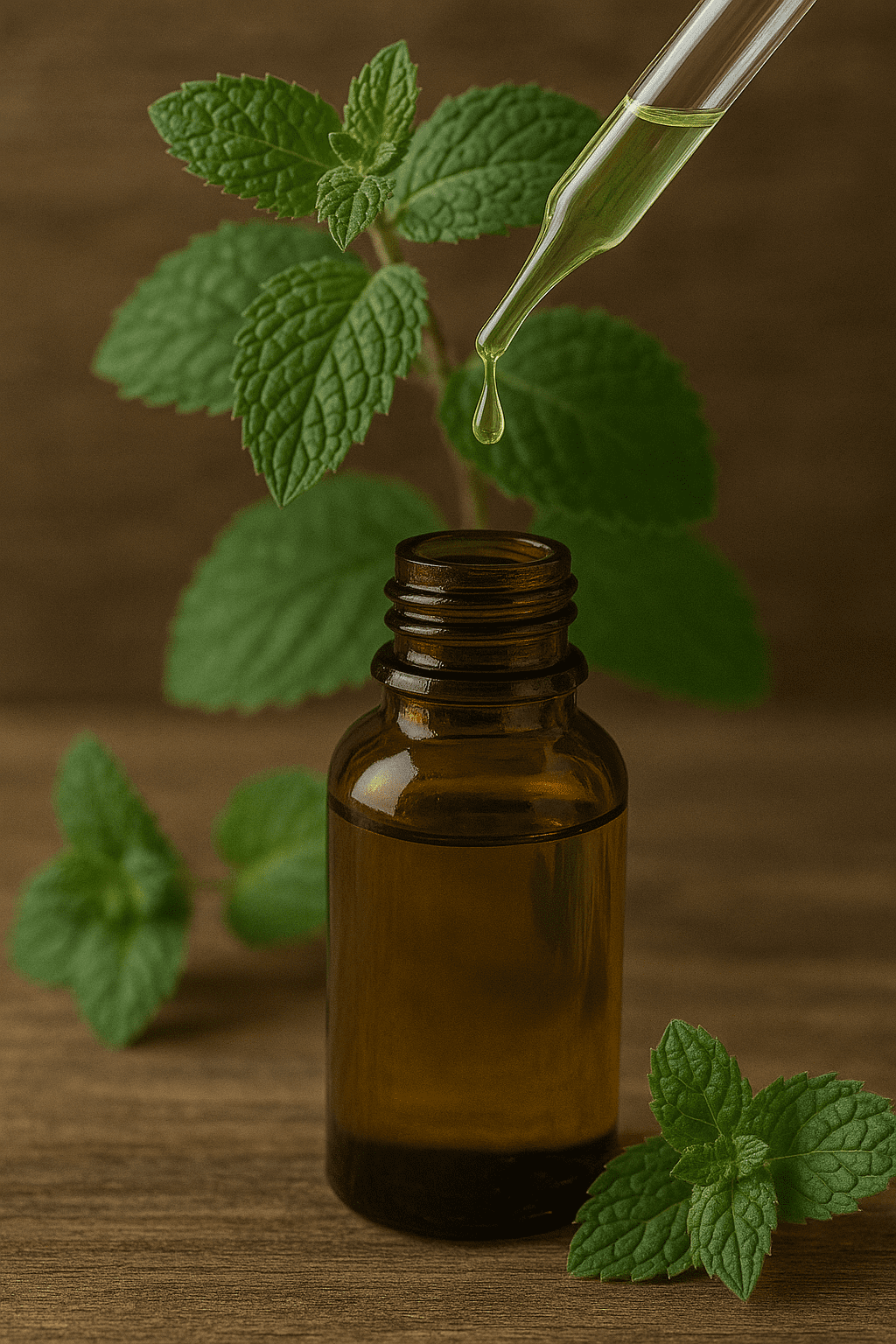
Peppermint Essential Oil
Botanical Name: Mentha piperita
Key Compounds: Menthol, menthone, 1,8-cineole
Origin: Europe & Middle East
History & Traditional Uses
Peppermint has been used since ancient Egyptian, Greek, and Roman times for its cooling, invigorating, and digestive properties. Egyptians placed peppermint leaves in tombs for purification, while Greek physicians like Hippocrates prescribed it for headaches and respiratory congestion. In medieval Europe, peppermint became a household remedy for nausea, skin irritations, and muscle pain. By the 18th century, it gained recognition in Western medicine for its analgesic and antiseptic qualities. Its unmistakable aroma and cooling sensation made it essential in herbal preparations, tonics, balms, and early cosmetic formulas — valued for both its sensory impact and medicinal reliability.
Skin & Health Benefits
- Provides instant cooling relief for irritated, itchy, or inflamed skin.
- Reduces redness and swelling due to strong anti-inflammatory effects.
- Helps unclog pores and refresh congested, dull skin.
- Eases tension headaches when applied topically to temples.
- Calms muscle soreness and fatigue, supporting overall skin healing.
- Antimicrobial action helps control acne-causing bacteria.
- Supports smoother breathing when inhaled, reducing stress-related skin flare-ups.
- Helps regulate oil buildup and improve skin clarity.
Why It Works
- Menthol: Activates cold-sensitive TRPM8 receptors, reducing pain and irritation.
- Menthone: Provides antimicrobial and cleansing activity.
- Eucalyptol synergy: Enhances respiratory clarity and reduces inflammation.
- Vascular impact: Increases microcirculation for improved nutrient delivery.
- Astringent effect: Helps tighten pores and refresh skin texture.
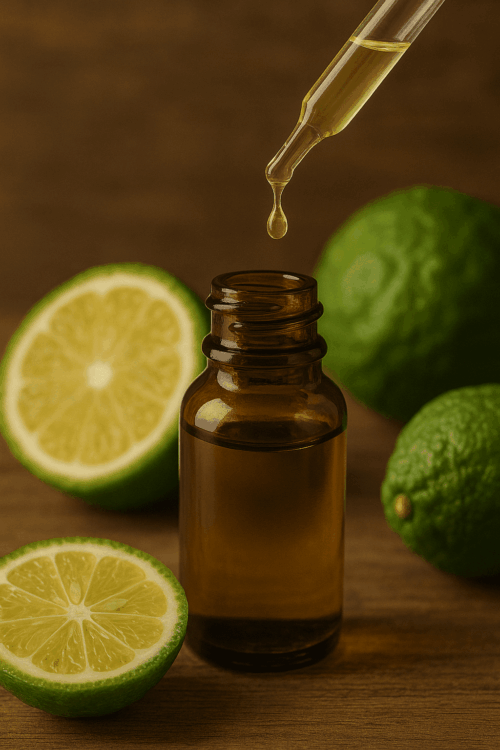
Bergamot Essential Oil
Botanical Name: Citrus bergamia
Key Compounds: Limonene, linalyl acetate, linalool
Origin: Southern Italy
History & Traditional Uses
Bergamot is deeply rooted in Italian herbalism, particularly in the Calabria region, where it became a cornerstone of traditional medicine and early perfumery. In the 1600s, bergamot oil was a key ingredient in “Eau de Cologne,” one of the world’s first luxury fragrances. It was also used in herbal tonics for fever, digestion, and emotional balance. Throughout history, bergamot earned a reputation for uplifting the mood, purifying the skin, and enhancing complexion brightness. Its comforting yet refreshing scent made it one of the most valued citrus oils in European wellness traditions.
Skin & Health Benefits
- Balances oil production and improves clarity for combination/oily skin.
- Helps reduce acne-causing bacteria due to antimicrobial activity.
- Brightens dull skin and supports a more even tone.
- Provides calming effects for irritated, inflamed, or stressed skin.
- Aromatherapeutically reduces anxiety and emotional tension.
- Helps reduce congestion in pores and refine skin texture.
- Offers antioxidant benefits to defend against environmental stress.
- Supports mood elevation through citrus aromatics.
Why It Works
- Limonene: Delivers antioxidant protection and enhances absorption.
- Linalyl acetate: Provides calming, anti-inflammatory action.
- Linalool: Adds antimicrobial performance to balance the microbiome.
- Astringent citrus molecules: Naturally refine pores and improve tone.
- Mood-regulating compounds: Interact with serotonin pathways to reduce stress-induced skin issues.
Rosemary Essential Oil
Botanical Name: Rosmarinus officinalis
Key Compounds: 1,8-cineole, α-pinene, camphor, rosmarinic acid
Origin: Mediterranean
History & Traditional Uses
Rosemary has been cherished since ancient Greek and Roman times as a symbol of memory, vitality, and protection. Greek scholars wore rosemary garlands to enhance focus, while Roman healers used it in purification rituals and wound treatments. In medieval Europe, rosemary was burned in sickrooms to cleanse the air and infused into oils for muscle pain and skin rejuvenation. Its reputation for enhancing circulation, sharpening the mind, and supporting skin vitality allowed rosemary to transition seamlessly from traditional medicine into modern herbal therapy, cosmetics, and aromatherapy.
Skin & Health Benefits
- Boosts circulation to deliver nutrients and oxygen to skin cells.
- Helps detoxify congested skin and reduce puffiness.
- Provides strong antioxidant protection, slowing early signs of aging.
- Supports clearer pores by reducing bacteria and balancing oil.
- Soothes irritated or inflamed skin with anti-inflammatory compounds.
- Enhances concentration and mental clarity when inhaled.
- Supports scalp health and hair growth through improved microcirculation.
- Helps brighten and revitalise dull or fatigued skin.
Why It Works
- Rosmarinic acid: Powerful antioxidant and anti-inflammatory agent.
- 1,8-cineole: Provides antimicrobial action and enhances clarity.
- Camphor: Stimulates circulation and supports tissue regeneration.
- α-Pinene: Reduces inflammation and improves skin penetration.
- Vasodilation effect: Increases nutrient delivery to improve tone and radiance.
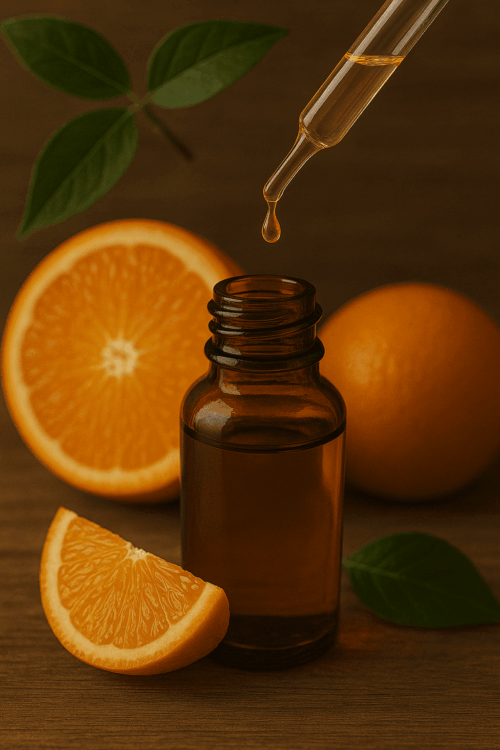
Sweet Orange Essential Oil
Botanical Name: Citrus sinensis
Key Compounds: Limonene, myrcene, α-pinene
Origin: China (ancient), now global cultivation
History & Traditional Uses
Sweet orange has a long history dating back thousands of years in Chinese traditional medicine, where it was used to support digestion, lift the mood, and refresh the skin. As trade expanded along the Silk Road, oranges—and later their essential oil—became prized in Mediterranean and European beauty rituals. During the Renaissance, orange oil was a common ingredient in pomanders and skin tonics designed to brighten complexion and counter fatigue. Its joyful aroma and revitalising properties made it integral to early aromatherapy formulas.
Skin & Health Benefits
- Brightens dull skin and promotes natural radiance.
- Helps reduce dark spots and uneven pigmentation.
- Fights acne-causing bacteria and refines pores.
- Balances excess oil without over-drying.
- Provides antioxidant support against pollutants and oxidative stress.
- Uplifts mood and reduces emotional stress — key for inflammatory skin issues.
- Softens rough patches by supporting gentle exfoliation.
- Refreshes tired or sluggish skin for a more youthful appearance.
Why It Works
- Limonene: Potent antioxidant that combats free-radical damage.
- Myrcene: Anti-inflammatory and soothing for reactive skin.
- α-Pinene: Supports antimicrobial and clarifying action.
- Citrus actives: Improve microcirculation and complexion tone.
- Aromatic molecules: Influence serotonin pathways to reduce stress-triggered skin imbalance.
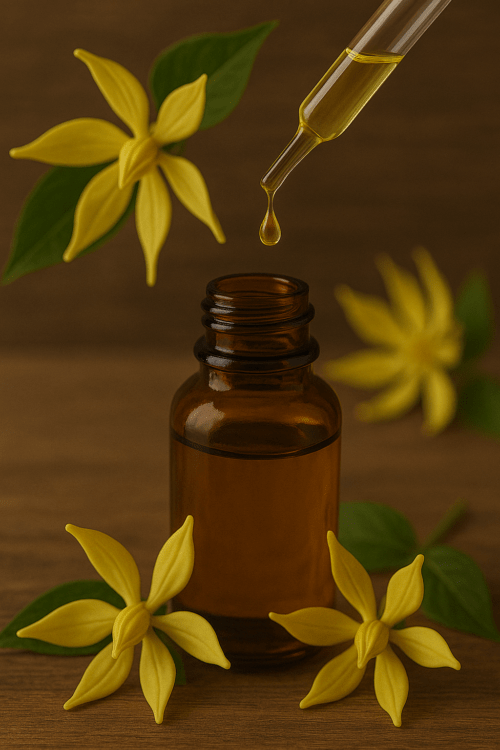
Ylang-Ylang Essential Oil
Botanical Name: Cananga odorata
Key Compounds: Germacrene-D, benzyl acetate, linalool, β-caryophyllene
Origin: Southeast Asia (Indonesia, Philippines)
History & Traditional Uses
Ylang-ylang has deep roots in Indonesian beauty and cultural rituals. Traditionally, fresh ylang-ylang petals were spread across bridal beds to symbolise love, harmony, and emotional calm. In the Philippines, the oil was infused into hair and skin treatments to enhance smoothness and fragrance. By the early 20th century, French perfumers introduced ylang-ylang to global luxury fragrance, where it became a key note in iconic perfumes such as Chanel No. 5. Its sensual aroma and balancing properties made it a treasured ingredient in both holistic therapy and high-end cosmetic formulations.
Skin & Health Benefits
- Regulates sebum production, making it suitable for both oily and dry skin.
- Soothes inflammation and calms redness.
- Helps reduce acne-causing bacteria while supporting moisture balance.
- Softens skin texture and enhances natural skin glow.
- Encourages emotional calm through its rich, floral aroma.
- Supports scalp health and reduces flakiness.
- Helps reduce stress-induced skin reactions (breakouts, dryness, sensitivity).
- Promotes smoother, more refined skin tone.
Why It Works
- Limonene: Potent antioxidant that combats free-radical damage.
- Myrcene: Anti-inflammatory and soothing for reactive skin.
- α-Pinene: Supports antimicrobial and clarifying action.
- Citrus actives: Improve microcirculation and complexion tone.
- Aromatic molecules: Influence serotonin pathways to reduce stress-triggered skin imbalance.
References
Essential oil
Potential Benefits
You May Also Like…
Carrier Oils for Skin | Benefits and Uses
Written by Plant-derived oils have long played a central role in skincare, valued for their ability to nourish and…
Synthetic Ingredients | Use, Risk, and Consideration
Written by Modern skincare has become increasingly complex, with formulations often relying on synthetic compounds,…
Our Skin | Structure, Function, and Biological Systems
Written by Our skin is the largest organ of the human body — a dynamic biological system made up of lipids, cells, and…